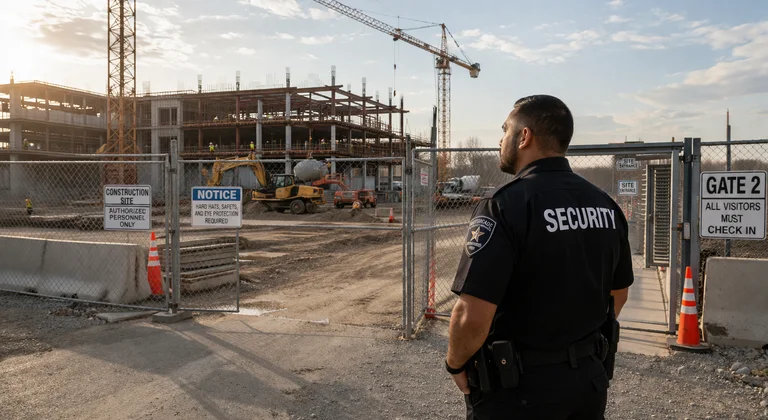
Access Control
Gate discipline, credentialing, and controlled vehicle flow.
Major projects carry theft exposure, schedule pressure, and incident liability. Motorcade delivers armed security built for controlled access, escalation discipline, and operational continuity.
Gate discipline, credentialing, and controlled vehicle flow.
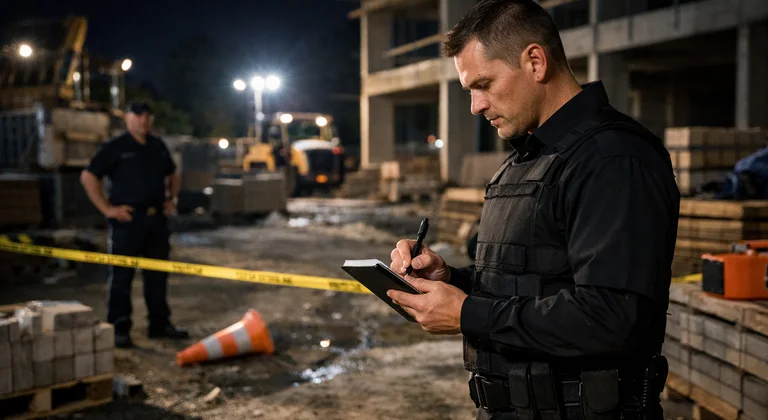
After-hours patrol, staging visibility, and theft deterrence.
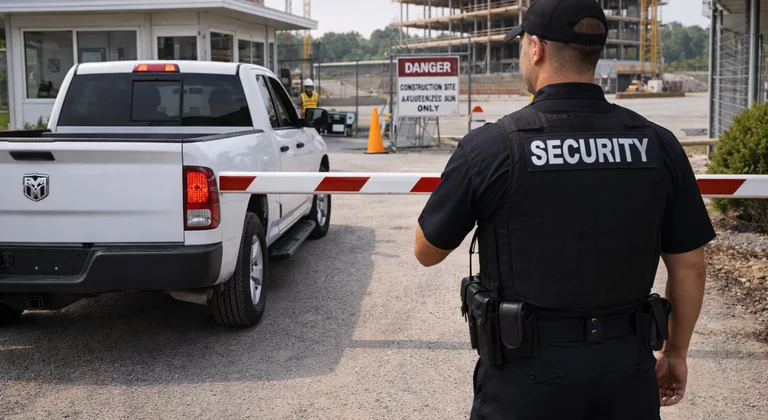
Supervisor escalation, reporting discipline, and claim defensibility.
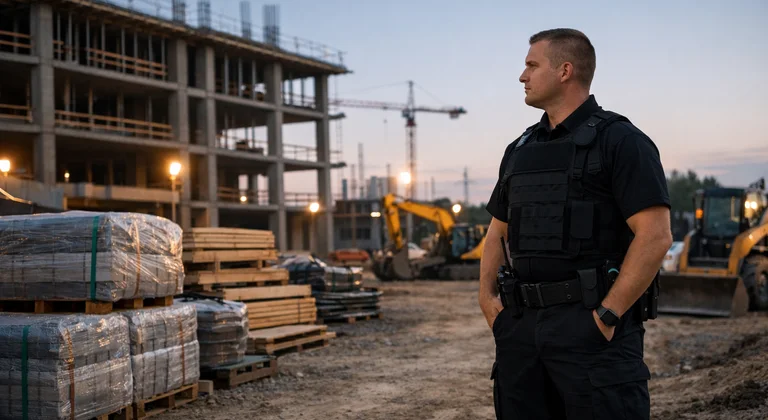
Perimeter continuity and supervisor-led handoffs through low-occupancy windows.
Gate setup, perimeter baseline, and access controls are locked before activity ramps.
Staging-area visibility, contractor movement discipline, and incident escalation stay structured.
Perimeter patrol and theft deterrence protect equipment and materials during low-occupancy windows.
Access control, gate coordination, staging visibility, and contractor movement discipline.
Perimeter patrol, theft deterrence, rapid escalation, and site-presence continuity.
Motorcade supports commercial builds, industrial facilities, and infrastructure-adjacent projects statewide, with metro-specific construction deployment pathways for higher-density operating environments.
Controlled gate operations and staged-material visibility during active build cycles.
Access discipline and escalation-ready coverage for higher-liability plant environments.
Perimeter continuity and incident routing across large footprint and multi-vendor activity.
Supervisor-led handoff standards that keep control consistent from phase to phase.
Our assessment-first approach improves incident defensibility through clear post orders, escalation protocols, and auditable documentation standards.
These OSHA investigation counts are not security incident counts, but they show where severe jobsite exposure concentrates and why tighter perimeter discipline, supervisor routing, and documented handoff standards are operationally critical.
Elevated fall and trench-collapse fatality exposure supports a site-control model that emphasizes verified access, after-hours control, rapid escalation routing, and supervisor-reviewed incident documentation.
Source: U.S. Occupational Safety and Health Administration (OSHA), OSHA reports progress reducing fatalities in high-hazard industries (November 4, 2024).
Initial anomaly is confirmed against gate and perimeter controls.
Escalation routing activates with site contacts and command chain alignment.
Entry controls and staging zones are secured while response posture is maintained.
Incident records and site status are handed off for claims and continuity control.
Start with a dispatch-reviewed security assessment to define threat conditions, staffing model, and escalation logic before deployment.
Request a Security AssessmentMotorcade delivers licensed construction and industrial site security in Texas, scoped through assessment-led planning.
We evaluate gate access, theft exposure, shift timing, patrol requirements, and escalation pathways before assignment start.
Supervisor checks are scheduled in the operating model, and reporting follows documented escalation and accountability standards.